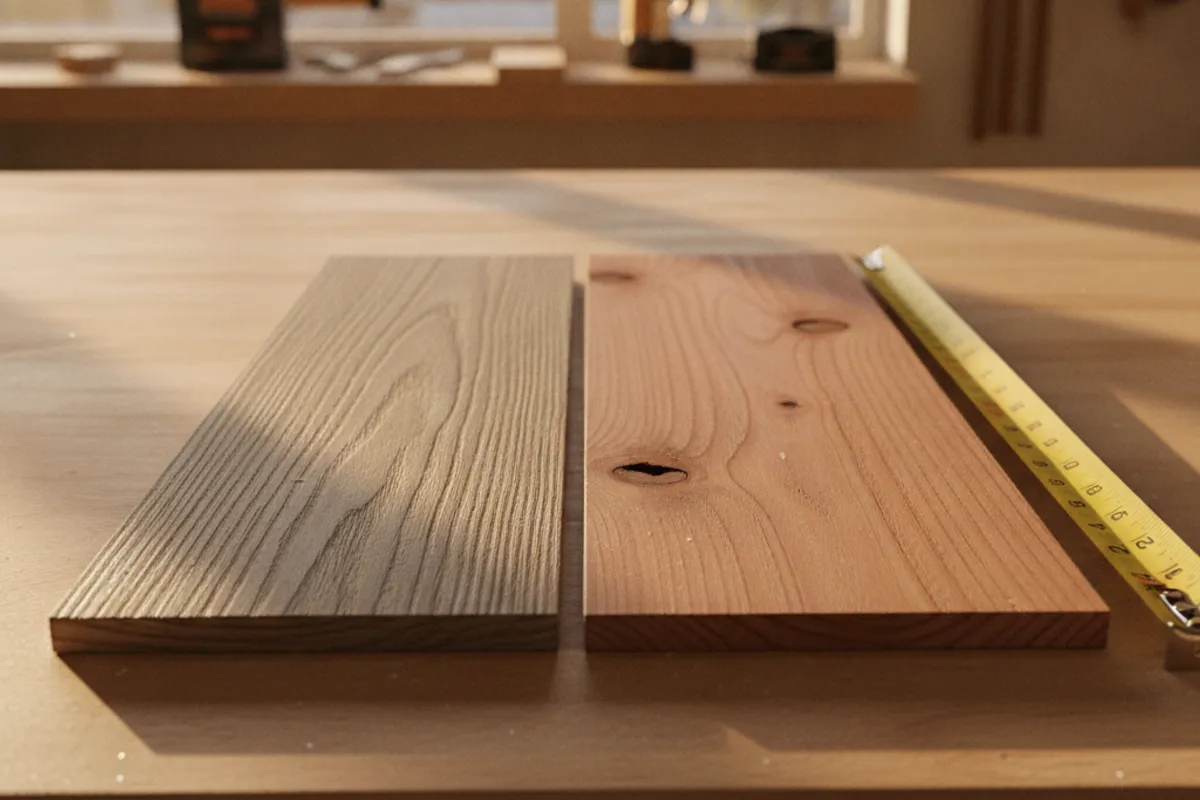
Deck staining and refinishing in San Diego typically runs $3 to $8 per square foot, so a 300-square-foot deck lands somewhere between $900 and $2,400 depending on prep work and product. A weathered wood deck with sound boards is almost always a refinish job, not a rebuild. Deck Pro SD matches San Diego property owners with licensed, independent local deck builders who handle the strip, sand, and finish work.
Most decks don’t need to be replaced nearly as often as homeowners think. What actually happens is the finish wears out years before the wood does. UV exposure bleaches and dries the surface, marine layer moisture swells the grain overnight, and foot traffic wears through the film in high-use spots near the door. Once that finish is gone, the wood underneath is exposed and vulnerable, but the fix is usually a weekend of prep and a new coat, not a new deck.
When to refinish, resurface, or rebuild
Refinishing makes sense when the framing is sound and the boards themselves aren’t cracked, splintered, or soft. If you can press a screwdriver into a board and it doesn’t sink in, and the deck doesn’t flex or bounce when you walk on it, staining and refinishing is usually the right call.
Deck resurfacing is a different job for a different problem. That’s when the boards are weathered past what a strip and refinish can fix, but the framing underneath is still solid, so new decking goes over the existing structure. A full rebuild only comes into play when the framing itself has failed. Related reading: dry rot and rotted ledger board repair covers how to tell the difference between a cosmetic finish problem and a structural one.
The independent professionals matched through the site’s deck resurfacing service walk this decision with you at the property, because a photo rarely tells the whole story. A board that looks gray and rough from ten feet away might be perfectly refinishable up close.
Oil-based vs solid-color stain for San Diego’s climate
San Diego’s sun is the deciding factor more than most homeowners expect. Coastal lots in places like Del Mar and La Jolla deal with salt air and marine-layer moisture; inland lots in Santee, El Cajon, and Escondido deal with straight UV intensity and summer heat that can hit 95 to 100 degrees.
A penetrating oil-based stain soaks into the wood grain and lets it breathe, which is usually the better call for redwood or cedar decks where you want the natural grain to show. It fades faster in direct sun, though, so a south-facing inland deck in full exposure might need a fresh coat every 12 to 18 months instead of every 2 to 3 years.
A solid-color stain sits more like a thin paint and forms a protective film on top of the wood. It blocks UV better and lasts longer, but it also hides the grain completely and can peel or crack at the edges once it starts to fail, which then takes more work to strip before the next coat goes on. For a deck that’s already been painted or heavily weathered, solid color is often the more forgiving choice for the professional refinishing it.
Composite decking is a separate conversation entirely; it doesn’t take stain the same way and shouldn’t be treated with wood products. The wood decking service page covers material choice for anyone still deciding between wood and composite before a first install.
What the prep work actually involves
Refinishing isn’t just rolling on a new coat over the old one. Prep is most of the job, and skipping it is why some DIY refinish jobs fail within a year.
The typical sequence is a pressure wash to strip loose finish and surface grime, followed by a wood brightener or cleaner to open the grain back up, then sanding any rough or splintery spots, then a full dry-out period of at least 48 hours before stain goes on. Skipping the dry-out is the most common mistake: staining over wood that still holds moisture from the wash traps that moisture under the new finish, and it usually shows up as peeling or blotching within a season.
| Step | What it does |
|---|---|
| Pressure wash | Strips old finish, dirt, and mildew from the surface |
| Brightener or cleaner | Restores the wood’s natural pH and opens the grain |
| Sanding | Smooths rough or splintered boards, especially high-traffic areas |
| Dry-out period | Lets residual moisture escape before the new coat traps it in |
| Stain or sealant application | The actual finish coat, usually two thin coats over one heavy one |
Deck Pro SD doesn’t set prices or timelines. The customer contracts with and pays the independent professional directly, and the number depends on deck size, current condition, and product choice. As a general range across San Diego County, a straightforward refinish on a deck already in reasonable shape runs $3 to $5 per square foot, while a deck that needs heavy stripping, sanding, or board replacement before staining runs $6 to $8 per square foot. Most refinish jobs finish in one to three days, most of that being dry time between steps rather than active labor.
How often coastal and inland decks need refinishing
The same finish product wears at a different rate depending on where the deck sits. This is the part homeowners moving from another climate get wrong most often; San Diego’s coastal and inland zones age a deck finish in genuinely different ways.
Coastal decks in Imperial Beach, Coronado, and Encinitas deal with salt air that accelerates finish breakdown and marine-layer moisture that swells the wood overnight, most of the year. A penetrating oil stain on a coastal deck often needs a fresh coat every 1 to 2 years to keep ahead of it. Inland decks in places like Ramona, Valley Center, and Alpine face the opposite problem: less moisture, but far more direct UV and higher peak temperatures, which dries and bleaches a finish faster than salt air does. A well-shaded inland deck can go 3 years between coats; a full-sun inland deck often needs the same 1 to 2 year cycle as a coastal one, just for a different reason.
Homeowners in Escondido and across San Diego proper can request a local referral to get an honest read on where their own deck’s exposure lands, since a wall of trees on one side of a house can shift the timeline by a year or more compared to the house next door.
Frequently asked questions
How much does it cost to stain or refinish a deck in San Diego?
A straightforward refinish typically runs $3 to $5 per square foot, and a deck needing heavy prep or stripping runs $6 to $8 per square foot. A 300-square-foot deck usually lands between $900 and $2,400 total, though the independent professional sets the final number after seeing the deck’s actual condition.
How often should a deck be refinished in San Diego?
Coastal decks facing salt air and marine-layer moisture often need refinishing every 1 to 2 years. Inland decks in heavy shade can stretch to 3 years between coats, while full-sun inland decks usually need the same 1 to 2 year cycle, just from UV exposure instead of moisture.
Should I choose oil-based stain or solid-color stain?
Oil-based penetrating stain lets the wood grain show and breathes well, but fades faster in direct sun. Solid-color stain forms a protective film that blocks UV better and lasts longer, but hides the grain and can peel at the edges once it starts to fail.
Can I refinish a deck myself, or do I need a professional?
Refinishing is doable as a DIY project on a small, easily accessible deck in good condition. Larger decks, elevated or hillside decks, and any deck with soft or damaged boards are safer left to a professional who can catch structural issues the average homeowner would miss.
What’s the difference between refinishing and resurfacing a deck?
Refinishing means stripping and restaining the existing boards, which works when the wood itself is sound. Resurfacing means installing new decking boards over the existing framing, which is the right call when the boards are weathered past what a refinish can fix but the structure underneath is still solid.
Does deck staining need to happen before or after a repair?
After. Any rot, soft boards, or structural issues need to be repaired first, since staining over damaged wood just hides the problem instead of fixing it. A professional assessing the deck for refinishing should flag any repair needs before recommending a finish product.
Call (858) 400-4918 to leave a recorded and transcribed message after the consent notice. Include your city and whether the deck has been refinished before to request a local referral.